Best Flooring for Kitchens and Bathrooms: LVP vs. Tile vs. Hardwood
Arnie Roeland
July 20th, 2026
Compare LVP, tile, and hardwood for your kitchen or bathroom remodel. Discover durability, waterproofing, and design advice from Roeland Home Improvers.
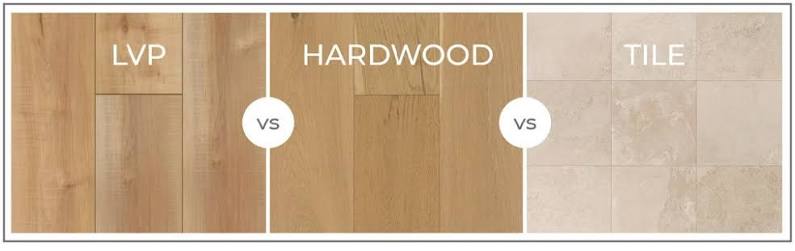
When planning a kitchen or bathroom remodel, selecting the right flooring is one of the most critical decisions you will make. These high-traffic areas face daily moisture, heavy foot traffic, spills, and frequent cleaning. The ideal floor must seamlessly blend durability and water resistance with an aesthetic that elevates your entire home.
At Roeland Home Improvers, based in Ledgewood, New Jersey, we guide homeowners through choosing high-performance materials tailored to their specific lifestyle, design goals, and budget. Three options dominate modern kitchen and bath renovations: Luxurious Vinyl Plank (LVP), Classic Tile (Porcelain & Ceramic), and Traditional Hardwood.
Below, we break down how each material performs across moisture control, durability, maintenance, comfort, and total investment value.
1. Luxury Vinyl Plank (LVP): The Versatile Workhorse
Luxury Vinyl Plank (LVP) and Luxury Vinyl Tile (LVT) have transformed interior home remodeling. Featuring multi-layer rigid core construction (SPC/WPC) and hyper-realistic high-definition print layers, modern LVP convincingly mimics natural wood and stone while providing superior protection against water.
Key Advantages
- 100% Waterproofing: High-quality LVP is impervious to standing water, making it an exceptional choice for full bathroom installations, walk-in shower surrounds, and busy kitchen prep zones.
- Warmth & Underfoot Comfort: Unlike natural tile or stone, vinyl retains room temperature and offers slight underfoot give, reducing fatigue during long hours of cooking.
- Scratch & Dent Resistance: The thick clear wear layer (typically 12mil to 20mil+) resists pet claws, dropped cookware, and high traffic.
- Cost-Effective: Delivers the timeless aesthetic of natural hardwood or slate at a fraction of the material and installation cost.
Considerations
- Does not add as much long-term real estate equity as natural hardwood or high-end porcelain.
- Cannot be sanded down or refinished if deeply gouged.
2. Porcelain & Ceramic Tile: The Gold Standard for Waterproofing
Tile remains the ultimate benchmark for wet-area flooring. Porcelain and ceramic tile offer unlimited versatility, ranging from large-format slabs and intricate mosaics to wood-look planks.
Key Advantages
- Unrivaled Water & Steam Resistance: Porcelain tile features an exceptionally low water absorption rate (less than 0.5%), rendering it virtually immune to water penetration, humidity, and steam.
- Extreme Durability: Heavy appliances, spiked heels, and dragging furniture won't scratch or indent quality porcelain.
- Radiant Heating Compatibility: Ideal for pairing with electric in-floor heating systems (such as Schluter-DITRA-HEAT) for a warm, spa-like bathroom experience on cold winter mornings.
- Design Versatility: Available in endless shapes, textures, matte, or polished finishes, and marble-look patterns.
Considerations
- Grout Maintenance: Grout lines require periodic sealing to prevent staining and moisture infiltration.
- Hard & Cold Underfoot: Unheated tile can feel cold in winter months and offers no cushioning for dropped glassware.
- Subfloor Requirements: Requires an exceptionally rigid, flat subfloor and underlayment membrane to prevent cracked tiles or grout joints.
3. Hardwood Flooring: Classic Elegance & Warmth
Solid and engineered hardwood bring warmth, character, and organic beauty to living spaces. While engineered hardwood offers improved dimensional stability due to its cross-laminated plywood core, natural wood requires careful consideration when placed in wet environments.
Key Advantages
- Timeless Beauty & ROI: Genuine hardwood adds high home resale value and creates a seamless visual flow when extending kitchen spaces into adjacent open-concept living rooms.
- Refinishing Potential: Solid hardwood and thick-veneered engineered wood can be sanded and refinished multiple times to change finish colors over the decades.
Considerations
- Moisture Sensitivity: Standing water, humidity spikes, or unaddressed plumbing leaks can cause cupping, warping, and finish degradation.
- Not Recommended for Full Bathrooms: Due to steam and water splatters, natural hardwood is generally discouraged in full bathrooms with shower or tub facilities.
- Higher Maintenance: Requires immediate spill cleanups and wood-safe cleaners to preserve the protective polyurethane finish.
Direct Material Comparison
- Luxury Vinyl Plank (LVP)
- Water Resistance: 10/10 (100% Waterproof)
- Durability & Wear: High (Resists Scratches & Stains)
- Best Room Application: Kitchens, Full Bathrooms, & Basements
- Comfort & Temperature: Warm & Slightly Cushioned Underfoot
- Maintenance Needs: Low (Routine Sweeping & Damp Mopping)
- Resale Value Impact: Moderate to High
- Tile (Porcelain / Ceramic)
- Water Resistance: 10/10 (Impervious to Moisture & Steam)
- Durability & Wear: Exceptional (Highly Scratch & Dent Resistant)
- Best Room Application: Kitchens, Full Bathrooms, Shower Surrounds, & Mudrooms
- Comfort & Temperature: Cold & Firm (Pairs Best with Radiant Heat)
- Maintenance Needs: Medium (Requires Periodic Grout Sealing)
- Resale Value Impact: High
- Hardwood (Solid / Engineered)
- Water Resistance: 5/10 (Moisture Sensitive)
- Durability & Wear: Moderate (Susceptible to Scratches & Dents over time)
- Best Room Application: Open-Concept Kitchens & Powder Rooms
- Comfort & Temperature: Warm & Naturally Cushioned
- Maintenance Needs: High (Requires Specialized Cleaners & Refinishing)
- Resale Value Impact: Maximum Impact
Expert Recommendation: Which Material Should You Choose?
When to Choose LVP
Opt for LVP if you want an active, low-maintenance household with kids or pets. It provides a budget-conscious, 100% waterproof solution that safely spans both your kitchen layout and wet bathroom zones without worrying about water damage or scratches.
When to Choose Tile
Choose tile for master bathrooms, curbless walk-in showers, high-humidity zones, or high-traffic kitchen spaces. Tile offers unmatched longevity, custom design potential, and optimal pairing with underfloor radiant heating.
When to Choose Hardwood
Choose hardwood (specifically high-grade engineered hardwood) if you are remodeling an open-concept kitchen that connects directly with your dining or living space and desire continuous wood flooring throughout. Ensure powder rooms or kitchens with hardwood use proper moisture barriers and prompt spill cleanup practices.
Turn Your Renovation Vision into Reality
Choosing the right flooring is just one piece of creating a functional, beautiful space. At Roeland Home Improvers, we manage every detail of your kitchen or bathroom renovation—from layout engineering and custom cabinetry to precise tile and flooring installation.
.webp)
.svg)
.svg)
.svg)
.svg)

.svg)
.svg)

.svg)

.webp)

