Moving Plumbing for a Remodel: Costs, Challenges, and Pipe Placement
Arnie Roeland
August 3rd, 2026
Planning a kitchen or bath remodel? Discover real costs, hidden challenges, and pipe placement tips for moving plumbing with Roeland Home Improvers.
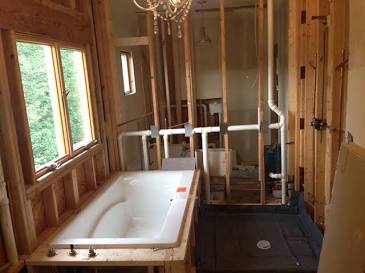
When planning a kitchen or bathroom transformation, it is easy to get caught up in selecting custom cabinetry, quartz countertops, frameless glass shower enclosures, and luxury tile work. However, the most critical decision impacting both your layout flow and your overall investment happens behind the drywalled surface: is moving your plumbing worth it?
Relocating pipes can dramatically turn a cramped, dysfunctional room into an open-concept masterpiece. Yet, altering water supply lines, drain lines, and soil stacks carries unique technical challenges and cost variables. At Roeland Home Improvers, we guide homeowners through structural options to build spaces that perform seamlessly for decades.
1. What Does Moving Plumbing Cost During a Remodel?
- Typical Relocation Cost: $1,200 – $3,000
- Key Cost Driver: Moving from an exterior wall to a central island requires floor trenching or subfloor drilling.
- Typical Relocation Cost: $1,800 – $4,500
- Key Cost Driver: Involves moving a 3- to 4-inch main waste stack that requires proper gravity pitch (1/4" per foot).
- Typical Relocation Cost: $1,500 – $3,800
- Key Cost Driver: Converting a tub to a walk-in shower requires expanding drain size from 1.5" to 2" to meet plumbing code.
- Typical Relocation Cost: $800 – $2,200
- Key Cost Driver: Easiest fixture to shift along the same wall line; increases if moved to an opposing wall.
2. Key Technical Challenges Behind Pipe Relocation
Moving water supply pipes (hot/cold supply) is relatively straightforward because water runs under pressure. However, drainage and venting lines rely strictly on gravity, making pipe placement a disciplined engineering task.
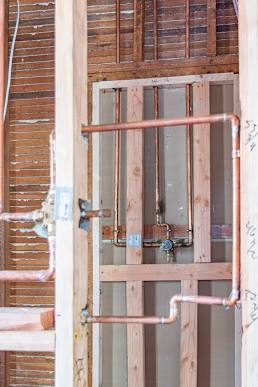
Challenge 1: Floor Joist Orientation & Notch Limits
Drains must run downhill at a slope of 1/4 inch per foot. If your new fixture location requires pipes to cross floor joists perpendicularly, plumbers cannot simply drill massive holes through structural support beams. Doing so compromises floor stability. Joists may need sistering or engineered LVL reinforcement.
Challenge 2: Slab Foundations vs. Unfinished Basements
- Unfinished Basements: Homes with accessible basements or crawlspaces offer direct plumbing access, reducing labor costs.
- Concrete Slabs: Relocating a toilet or shower drain on a slab requires jackhammering concrete channels, removing soil, laying new PVC drains, and repouring concrete—adding significantly to labor time.
Challenge 3: Venting Requirements
Every drain requires an air vent to break vacuum suction and prevent trap water from being siphoned away (which allows sewer gas into the home). Relocating a sink or toilet means running matching vent lines up through the roof or tying back into existing stack vents within code limits.
3. Pipe Placement Guidelines for Kitchen & Bath Layouts
Proper pipe placement protects your investment from freeze risks and water damage while pairing cleanly with your chosen building materials.
Exterior Wall Insulation & Pipe Placement
Avoid running water supply lines inside exterior-facing walls whenever possible. Uninsulated exterior framing risks frozen or burst pipes during winter cold snaps. If an exterior layout is required (such as a sink under a window), install continuous rigid insulation behind the pipes or build a furred-out interior wall chase.
Material Compatibility for Modern Finishes
Selecting durable, high-grade plumbing materials ensures longevity:
- PEX vs. Copper Supply Lines: Flexible PEX tubing allows long runs with fewer joint connections, reducing potential leak points behind cabinets. Copper remains ideal for exposed shower arms and tub spouts.
- PVC / ABS Waste Lines: Smooth-walled plastic piping reduces friction and buildup compared to older cast iron or galvanized steel.
- Waterproofing Integrations: When shifting shower drain locations, integrate modern waterproofing membranes (like Schluter Systems or acrylic pan liners) before setting custom tile work or solid shower wall panels.
4. Should You Move Your Plumbing or Keep the Existing Footprint?
Before finalizing architectural plans, evaluate whether moving pipes aligns with your project goals and budget:
When Keeping Plumbing in Place Makes Sense
- You want to maximize your budget for premium materials (custom cabinetry, quartz countertops, high-end Kohler or Grohe fixtures).
- Your existing kitchen work triangle or bathroom layout is already functional.
- You live on a slab foundation where trenching costs outweigh space benefits.
When Moving Plumbing is Worth Every Dollar
- Converting a Tub to a Walk-In Shower: Requires upsizing the drain line from 1.5 inches to 2 inches to meet building code for high-flow showerheads.
- Adding a Kitchen Island with Sink/Dishwasher: Opens sightlines to living areas, creating an entertainment hub.
- Relocating a Toilet Away from Entrance Views: Enhances bathroom privacy and opens up space for double vanity configurations.
Plan Your Remodel with Local Expertise
Navigating plumbing relocations, permits, and structural modifications requires an experienced full-service contractor. At Roeland Home Improvers, we bring decades of hands-on expertise to kitchen and bathroom renovations across Northern New Jersey. From initial design and layout planning to rough-in plumbing, tile installation, and final fixture fittings, we manage your entire project under one roof.
.webp)
.svg)
.svg)
.svg)
.svg)

.svg)
.svg)

.svg)

.webp)

