The Real Cost of Waiting: Why "The Fall" Multiplies Your Bathroom Renovation Budget by 3x
Arnie Roeland
Dec 22nd, 2025
I've sat through hundreds of aging-in-place consultations over 43 years. The pattern never changes. Families call after the fall. Not before. And that timing decision costs them roughly three times...
I've sat through hundreds of aging-in-place consultations over 43 years. The pattern never changes.
Families call after the fall. Not before.
And that timing decision costs them roughly three times more than families who plan ahead. But not for the reason you think.
The Math Nobody Talks About
A typical walk-in shower conversion runs between $20,000 and $30,000. That number stays consistent whether you do it proactively or reactively.
The renovation cost doesn't change.
The hospital bill does.
When someone falls in a bathroom with a standard tub, the medical expenses can hit $60,000 to $90,000 depending on the injury and recovery plan. Hip fractures. Head trauma. Extended rehabilitation.
You're not comparing $25,000 now versus $25,000 later. You're comparing $25,000 now versus $25,000 plus $75,000 in medical bills.
That's where the 3x multiplier comes from.
Why Families Wait (And What It Costs Them)
Parents resist safety modifications because they don't want to be the reason for changes. I hear it constantly during consultations.
"I'm not an invalid."
"I can still handle the tub just fine."
"We'll deal with it when we need to."
Then one bad experience flips the entire conversation. But by that point, you're making decisions from a hospital waiting room instead of your kitchen table.
The Statistic That Reframes Everything
More than 50% of bathroom incidents happen when entering or exiting the shower or tub.
It's the same principle as airplane safety. Fifty percent of all aviation incidents occur during takeoff and landing. The risk concentrates at transition points.
Navigating a tub daily creates hundreds of high-risk transitions every year. Stepping over a 15-inch wall while wet. Balancing on one foot. Gripping slippery surfaces.
The tub itself isn't dangerous when you're soaking in it. The danger lives in the daily navigation.
What Changes When You Plan Ahead
Out of the 300+ bathrooms we complete annually, roughly half involve tub-to-shower conversions. When families come to us proactively, the conversation shifts completely.
We can recommend features based on long-term mobility instead of immediate crisis
More importantly, you have time to frame these features as universal design rather than "elderly accommodations." A curbless shower benefits everyone. A bench seat makes shaving your legs easier at any age.
The renovation becomes about improving the bathroom, not admitting defeat.
The Demographic Shift Nobody's Watching
The average age of homeowners keeps rising. The population continues to age. And bathtubs are quietly disappearing from homes owned by people over 50.
The only demographic still requesting tubs? Younger parents who need them for bath time with kids.
This isn't speculation. I'm watching it happen in real time across northern New Jersey. The requests have shifted. The installations have changed. The industry is responding to what people actually need instead of what design magazines suggest they want.
The Decision You're Actually Making
Planning a bathroom modification before an incident happens saves you somewhere between $50,000 and $70,000 in avoided medical expenses.
That's the real calculation.
You can spend $25,000 now on your timeline with your preferences. Or you can spend $25,000 later plus medical bills plus lost time plus emergency decision-making.
The families who get this right don't wait for permission from a fall. They recognize that being preemptive about a walk-in shower isn't about admitting age. It's about avoiding a capital expense that has nothing to do with the bathroom renovation itself.
The fall doesn't just hurt physically. It costs you control over the entire process.
After 43 years of these conversations, I can tell you which families end up spending more. It's always the ones who waited for proof they needed to act.
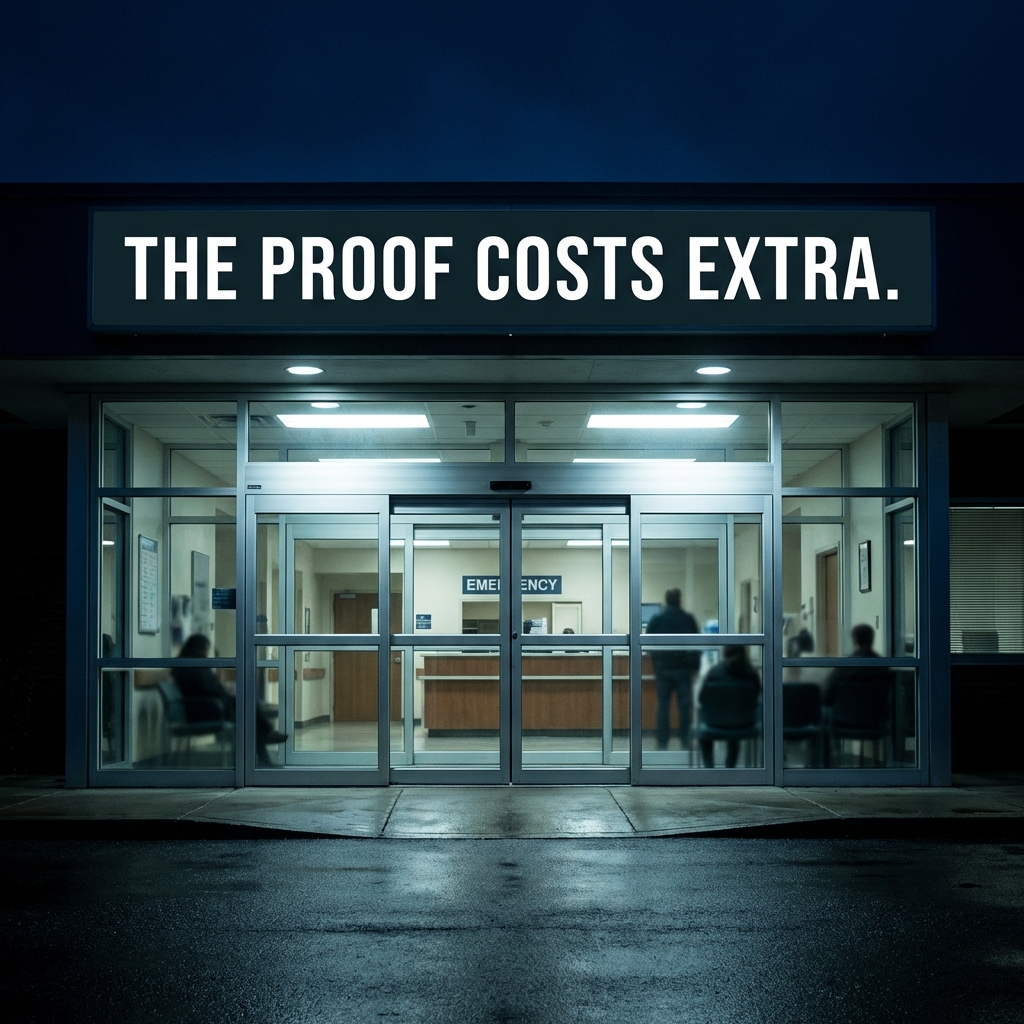
The proof costs extra.
.webp)
.svg)
.svg)
.svg)
.svg)

.svg)
.svg)

.svg)

.webp)

