The Safety Feature Conversation That Changed Everything
Arnie Roeland
Dec 29th, 2025
A client's daughter called me last month, frustrated. She'd spent weeks researching grab bars, non-slip surfaces, and shower seats for her father's bathroom renovation. He refused everything. "I'm...
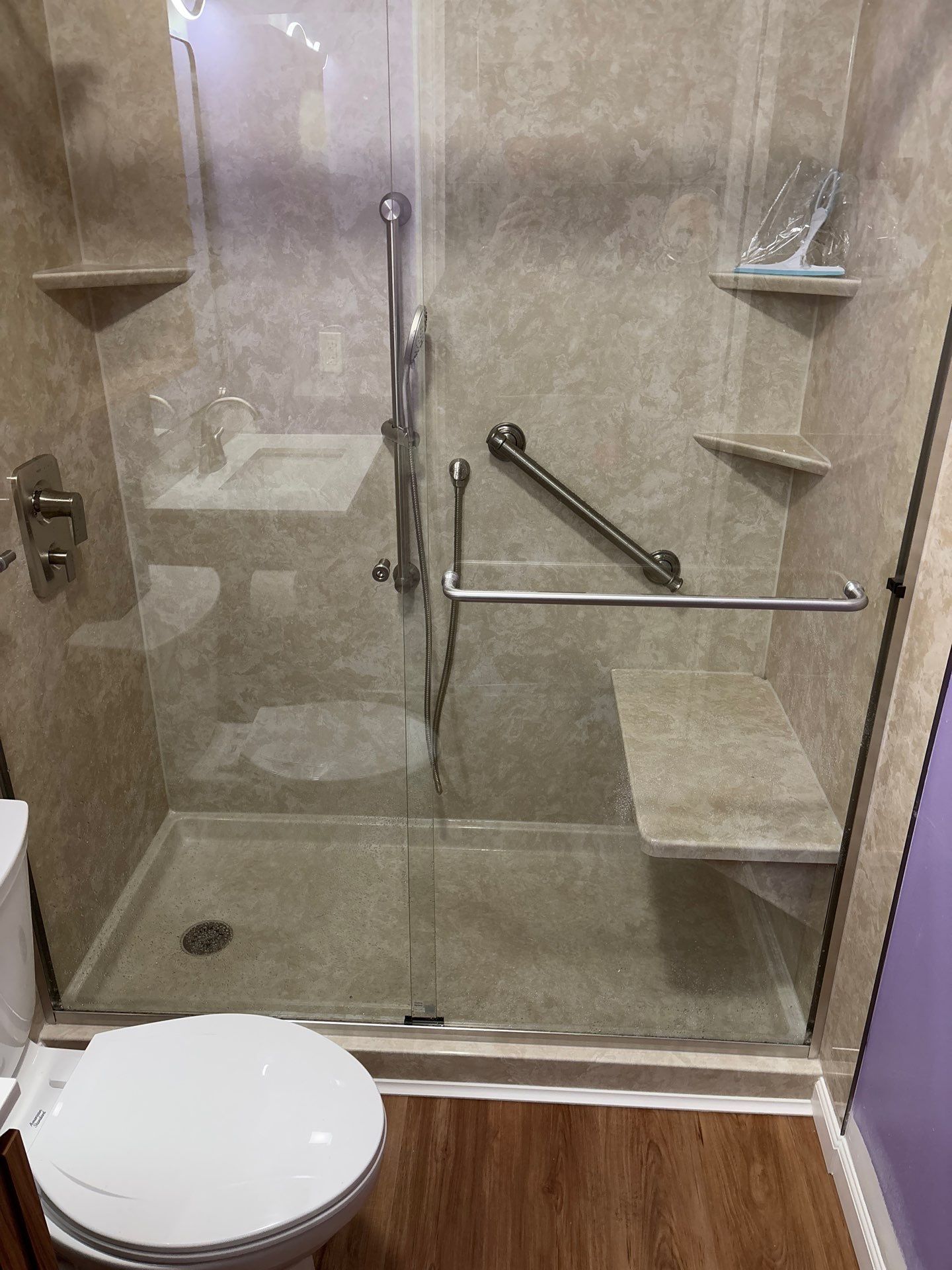
A client's daughter called me last month, frustrated. She'd spent weeks researching grab bars, non-slip surfaces, and shower seats for her father's bathroom renovation.
He refused everything.
"I'm not an old man," he told her.
I asked her one question that changed the entire conversation.
The Problem Wasn't the Features
After 43 years doing bathroom renovations, I've seen this pattern hundreds of times. We do about 300 bathrooms a year at Roeland Home Improvers. Half are tub to shower conversions. Most involve families having this exact conversation.
The daughter was listing safety features. Her father was hearing "you're too old to take care of yourself."
The problem wasn't what she was recommending. It was how she was framing it.
I asked her: "Did you tell him these features are for elderly people, or did you explain the actual risk?"
The Statistic That Reframes Everything
Here's what I tell families during consultations.
More than 50 percent of bathroom incidents happen when entering and exiting the shower or tub. That's not an age thing. That's a physics thing.
It's the same reason 50 percent of airplane incidents happen during takeoff and landing. The transition points are where the risk lives.
When you frame grab bars and low-threshold showers as smart risk reduction instead of elderly accommodations, the conversation shifts completely.
What Actually Happens After the Fall
Families who wait for "the fall" before renovating spend three times more than families who plan ahead.
That's not because the renovation costs more. A walk-in shower installation runs between $20,000 and $30,000 whether you do it before or after an incident.
The multiplier comes from medical bills.
One bad fall can generate hospital bills three times the cost of the bathroom renovation. Recovery plans, physical therapy, extended care—it adds up fast.
Being proactive about a walk-in shower can save you hundreds of thousands of dollars in medical expenses.
The Features We Recommend
When we know a tub to shower conversion involves someone with mobility concerns.
These aren't elderly features. They're universal design elements that reduce risk for everyone.
Parents often resist being the reason for safety precautions. But all it takes is one bad experience in the bathroom for them to change their minds quickly in the opposite direction.
What I Told the Daughter
I told her to stop talking about her father's age and start talking about the daily navigation risk.
Tubs are slippery. Getting in and out of a tub every day creates unnecessary risk. A walk-in shower with a low threshold eliminates that transition point entirely.
The grab bars aren't there because he's weak. They're there because wet surfaces are slippery and having something to hold reduces fall risk by more than half.
She called me back two weeks later. Her father agreed to the renovation.
The difference wasn't the features. It was the frame.
The Shift Happening in the Industry
As the population of homeowners continues to grow and the average age continues to rise, tubs are becoming less common in bathroom renovations.
The people who still want bathtubs are usually younger parents who need them for bath time with kids.
Everyone else is choosing walk-in showers. Not because they're elderly. Because they're practical.
At Roeland Home Improvers, we approach every project with the understanding that doing the right thing is the most important factor of our job. That means having honest conversations about risk, cost, and what actually makes sense for your situation.
If you're having the safety feature conversation with a parent right now, stop framing it as accommodation.
Start framing it as smart design.
The features don't change. But the conversation does.
.webp)
.svg)
.svg)
.svg)
.svg)

.svg)
.svg)

.svg)

.webp)

