The Soaker Tub Isn't Luxury, It's a Liability Hiding in Plain Sight
Arnie Roeland
Dec 8th, 2025
I've been renovating bathrooms in New Jersey for 43 years. I've seen a lot of trends come and go. Deep soaker tubs were supposed to be the ultimate upgrade. Spa-like. Self-care. The bathroom...
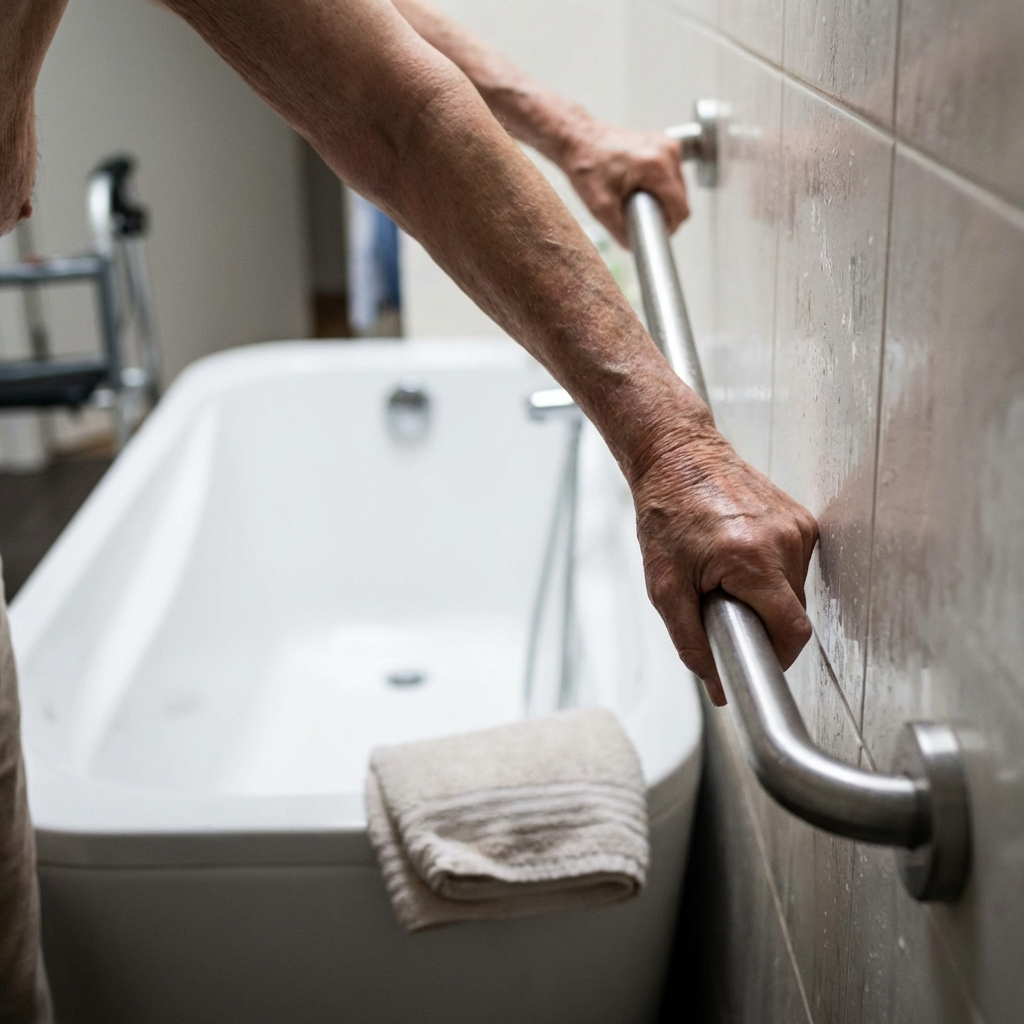
I've been renovating bathrooms in New Jersey for 43 years. I've seen a lot of trends come and go.
Deep soaker tubs were supposed to be the ultimate upgrade. Spa-like. Self-care. The bathroom equivalent of a luxury vacation.
Here's what the brochures don't show you: the physics of getting a 70-year-old body out of 18 inches of water with wet hands on slippery surfaces.
I've seen the aftermath. The ER visits. The hip replacements. The guilt that follows when a family realizes they installed a beautiful death trap for someone they love.
The Numbers Tell a Story the Marketing Won't
80% of senior falls happen in the bathroom. Not the stairs. Not the driveway. The bathroom.
Approximately 235,000 people are injured in bathroom falls every year. Almost one-third of adults aged 65 and above who were injured in bathrooms were diagnosed with fractures.
The financial burden? $50 billion per year in medical care for falls among seniors aged 65 and older.
That's not a statistic. That's a systemic failure.
It's Not the Occasional Soak—It's the Daily Navigation
I'm not saying tubs are inherently evil. Everyone can appreciate a good soak or bubble bath.
The problem is having to navigate a tub every single day just to shower. Tubs aren't easy to navigate when you're young and agile. When you're trying to shower in one, they become even more slippery.
The deeper the tub, the harder it is to generate the leverage you need to stand safely on wet surfaces. Simple physics.
We do over 300 bathrooms a year. About half are tub-to-shower conversions. I can tell you exactly when most of those calls come in: right after someone has a close call or an actual fall.
The families who wait pay three times more than the families who plan ahead.
The Real Cost of Waiting
That 3x cost isn't about the renovation getting more expensive. A walk-in shower conversion typically runs $20,000 to $30,000.
The multiplier comes from the hospital bills. Depending on the injury and recovery plan, a single fall can cost three times that amount.
Avoid the first fall, and you save on that capital expense. Being preemptive about getting a walk-in shower can help you save hundreds of thousands of dollars in medical bills.
I use this comparison with families: 50% of all airplane incidents happen during takeoff and landing. More than 50% of incidents in the bathroom happen when entering and exiting the shower or tub.
It's not about age. It's about physics and risk.
Why Soaker Tubs Are on Their Way Out
The population of homeowners continues to grow, and the average age continues to rise. That's what's pushing tubs to become less common in homes for people over 50.
The people who want to keep bathtubs are usually younger parents who still need to do bath time with kids. Once that phase passes, the tub becomes a daily hazard with no functional upside.
I've been in this industry long enough to see the shift happening in real time. Builders are starting to pay attention. Families are starting to ask the right questions before something goes wrong.
The soaker tub isn't a luxury. It's a liability you're paying extra to install.
What We Recommend Instead
When a family calls us about a tub-to-shower conversion for an elderly individual, we recommend specific features for those with mobility issues:
The lowest possible threshold for the shower. Ideally, a curbless entry that eliminates the step entirely.
Extra grab bars. Not the decorative kind. The kind that can actually support body weight during a slip.
A built-in seat if space allows. So showering doesn't require standing balance on wet tile.
These aren't "elderly accommodations." They're smart, universal design choices that make a bathroom safer for everyone who uses it.
Parents often resist these features at first. They don't like being the reason for safety precautions. They'll say things like "I'm not an invalid."
All it takes is one bad fall or close call for them to change their minds very quickly in the opposite direction.
The question isn't whether you'll eventually need a safer bathroom. The question is whether you'll make the change before or after the fall.
After 43 years, I can tell you: the families who plan ahead sleep better at night.
Q: Why do you call a deep soaker tub a "liability hiding in plain sight"?
A: Because marketing brochures sell soaker tubs as the ultimate luxury, but they completely ignore the basic physics of the human body. Stepping over an 18-inch tub wall onto a wet, curved, slippery surface requires a level of balance and leverage that becomes incredibly dangerous as we age. With 80% of senior falls occurring in the bathroom, a deep tub forces you to navigate a high-risk obstacle course every single day just to rinse off.
Q: What kinds of injuries are most common with bathroom slips and falls?
A: They are unfortunately very severe. Approximately 235,000 people are injured in bathroom falls every year, and almost one-third of adults aged 65 and older who suffer a bathroom injury are diagnosed with serious bone fractures, such as broken hips. These injuries dramatically impact independent living and contribute to a massive $50 billion national annual price tag for senior fall-related medical care.
Q: How does entering or exiting a bathtub compare to other high-risk activities?
A: It is very much like aviation: more than 50% of bathroom incidents happen during the "takeoff and landing" phases—specifically when entering and exiting the shower or tub. In fact, a fall in the bathroom is more than twice as likely to cause a serious injury than a fall in your living room because of the hard, unyielding surfaces like porcelain, tile, and fixtures.
Q: If we convert from a tub to a shower, what safety features do you recommend?
A: At Roeland Home Improvers, we recommend universal design features that look modern but provide maximum protection for anyone with mobility considerations. This includes a curbless, zero-threshold entry to eliminate the tripping hazard entirely, heavy-duty structural grab bars that can fully support body weight during a slip, and a built-in shower seat so you don't have to maintain standing balance on wet tile.
Q: My parents are resisting these changes because they don't want an "elderly" bathroom. How do I handle this?
A: This is incredibly common. Many independent adults resist safety upgrades because they feel it compromises their dignity, often saying, "I'm not an invalid." However, our design-build approach ensures these features look like high-end, spa-like amenities rather than clinical, institutional additions. We always remind families that being preemptive saves hundreds of thousands of dollars in medical bills—it is much better to make the change by choice today than by medical necessity after a bad fall.
.webp)
.svg)
.svg)
.svg)
.svg)

.svg)
.svg)

.svg)

.webp)

