Understanding Energy Efficient Windows: Low-E Glass, U-Factor, and SHGC Ratings
Arnie Roeland
Jun 15th, 2026
Discover how Low-E glass, U-Factor, and SHGC ratings lower energy bills, improve comfort, and boost home value. Learn how to choose the best replacement windows for your Northern New Jersey home.
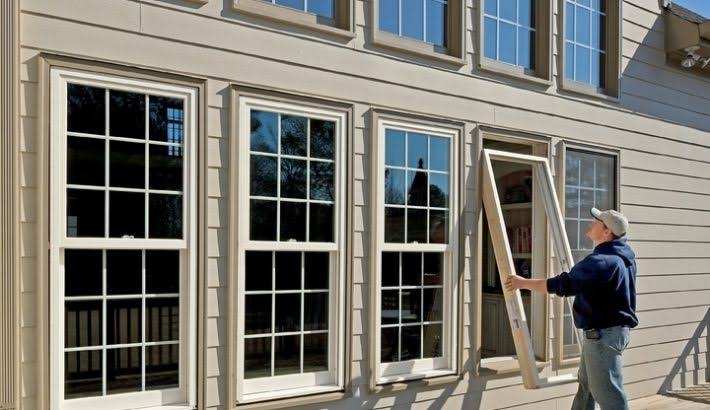
Are room-to-room temperature swings, drafty sashes, and skyrocketing winter heating bills taking the comfort out of your home?
If your window frames are drafty, sticky, or showing signs of seal failure, your house is likely bleeding heat and money. Upgrading to high-performance replacement windows is one of the most effective ways to lower utility costs, improve curb appeal, and increase your home’s overall market value.
Before investing in new windows, it pays to understand the energy performance metrics that drive long-term energy savings.
Decoding Window Performance: U-Factor vs. SHGC
To make an informed decision when evaluating new windows, you must look beyond basic aesthetic choices like vinyl, wood, or custom shapes. Understanding energy performance ratings ensures your home stays comfortable during freezing Northern New Jersey winters and humid mid-Atlantic summers.
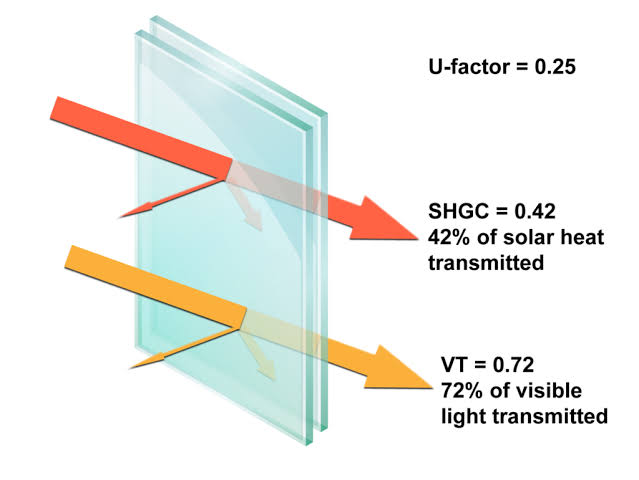
U-Factor: Keeping Winter Heat Inside Your Home
- What it measures: U-Factor evaluates how well a window prevents interior heat from escaping your living space.
- How to read it: Ratings generally fall between 0.20 and 1.20. Lower numbers mean better thermal insulation.
- Why it matters: Windows with low U-Factor ratings reduce furnace load during freezing spells, directly lowering monthly heating costs.
SHGC (Solar Heat Gain Coefficient): Controlling Summer Heat Intake
- What it measures: SHGC tracks how much solar radiation passes through the glass pane into your home.
- How to read it: Expressed as a fraction between 0 and 1. Lower values block more radiant heat.
- Why it matters: A balanced SHGC prevents solar heat gain from overworking your air conditioner during hot, humid summer afternoons.
How Low-E Glass Coatings Maximize Comfort and Savings
Low-Emissivity (Low-E) glass features microscopic, metallic oxide coatings that act as a thermal mirror.
- Infrared Control: Low-E coatings reflect interior heat back into your home during winter, while deflecting exterior solar heat away in the summer.
- UV Protection: The coating blocks damaging ultraviolet rays, preventing furniture, hardwood floors, and drapes from fading.
- Insulated Glass Units (IGUs): Combining double-pane or triple-pane Low-E glass with argon gas fills slows conductive heat transfer, virtually eliminating cold spots near glass surfaces.
Comparing Window Materials: Strength, Efficiency, and Maintenance
Choosing the right frame material ensures your windows perform reliably across every season.
- Virgin Vinyl Frames: Offers high thermal insulation thanks to multi-chambered internal frame construction. Vinyl requires low maintenance—it never needs painting or staining—and delivers exceptional durability that resists warping, peeling, and moisture damage.
- Wood Frames: Delivers high thermal insulation as a natural material, along with timeless architectural appeal. However, wood requires high maintenance with routine painting or sealing to prevent decay, offering moderate durability if exposed to standing moisture.
- Aluminum Frames: Features low natural insulation because metal readily conducts heat and cold. While it offers low maintenance and high structural strength, it is generally less energy-efficient for residential homes unless paired with thermal breaks.
Tailored for Northern New Jersey: Engineered for Regional Climates
Homes in Morris, Sussex, Passaic, and Bergen counties endure demanding, variable climate conditions.
- Freeze-Thaw Durability: Severe winter freeze-thaw cycles cause low-grade window materials to expand, contract, warp, or crack. High-grade virgin vinyl construction resists thermal distortion, keeping window sashes square and weather-tight year after year.
- Moisture and Draft Resistance: Modern engineered windows feature multi-point locking systems and integral full-length interlocks to seal out winter winds and heavy spring rain.
- Noise Reduction: Multi-pane Low-E glass structures dampen external neighborhood noise and traffic sound, providing a quieter indoor environment.
Enhance Comfort, Efficiency, and Value with Roeland Home Improvers
Upgrading your home’s windows shouldn't feel overwhelming. Partnering with experienced, local specialists ensures seamless installation, accurate energy specification matching, and long-lasting home protection.
Contact Roeland Home Improvers today to schedule your free, no-obligation in-home estimate and discover how new energy-efficient windows can transform your home.
.webp)
.svg)
.svg)
.svg)
.svg)

.svg)
.svg)

.svg)

.webp)

